



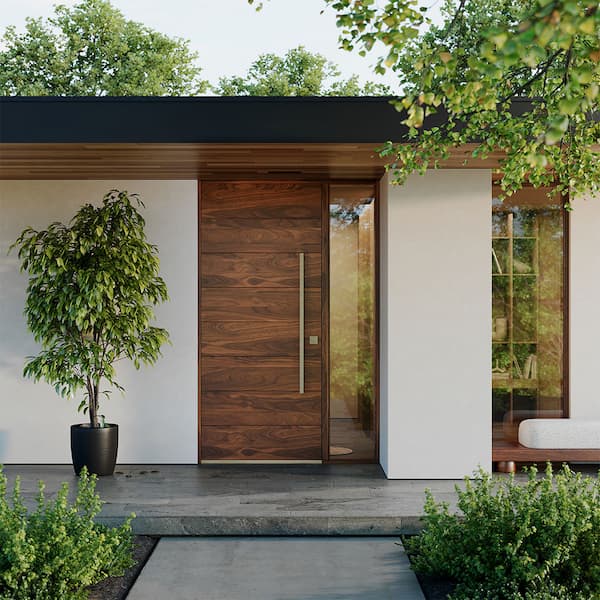


















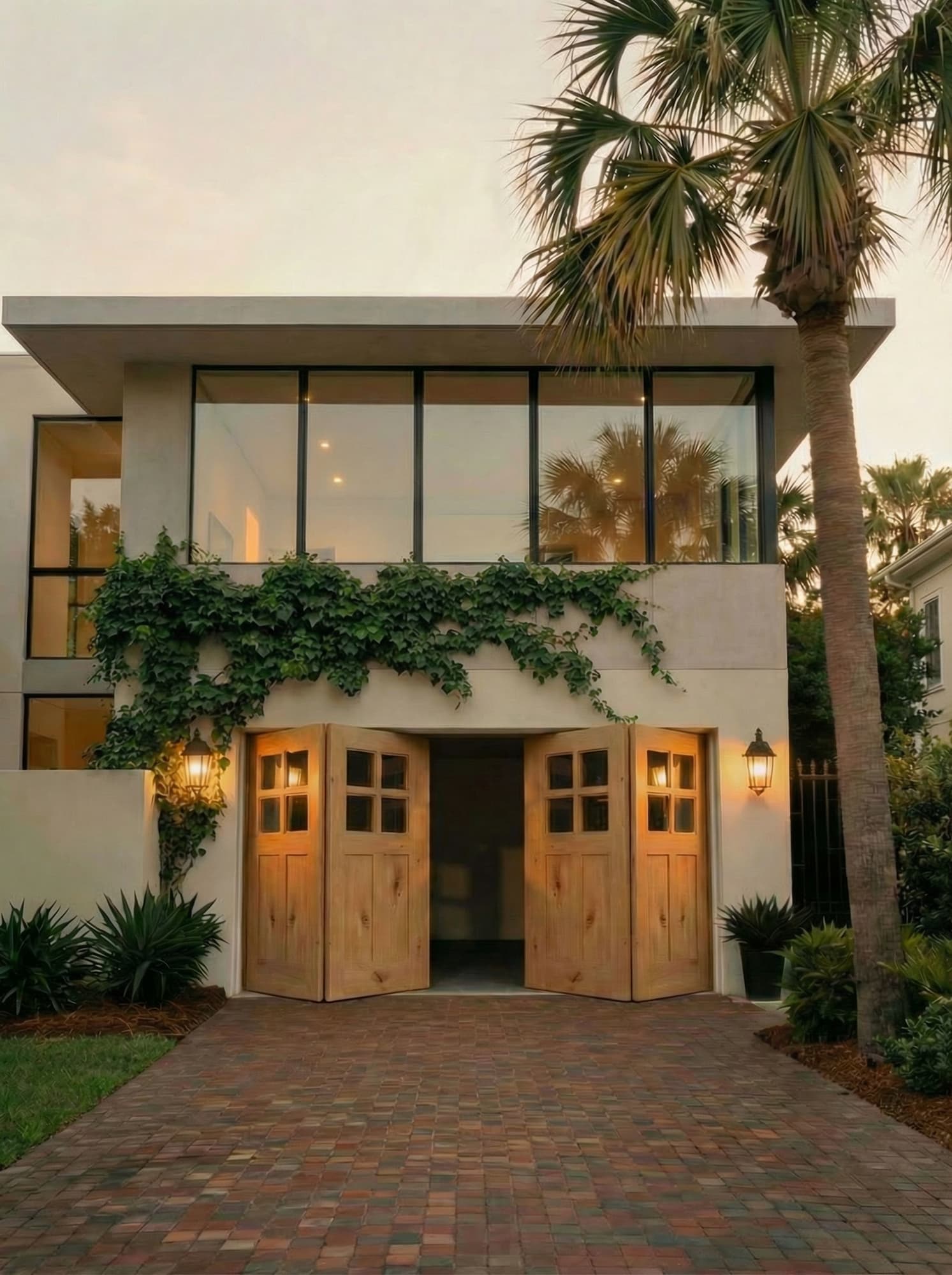

When it's time to replace or upgrade your garage door, the options can feel overwhelming. Most homeowners default to whatever is most familiar (usually a roll-up) without realizing there are genuinely better alternatives depending on their home, aesthetic, and lifestyle. This guide breaks down the three main garage door styles — carriage, bifold, and roll-up — so you can make a confident, informed decision. And in each section, we'll show you an AI-generated render of the different door types on the same home facade, so you can clearly see the apples-to-apples difference in a way that would otherwise be hard to illustrate.
What are carriage style garage doors?

Carriage doors originate from doors that were used on horse carriage houses in the 18th and 19th centuries. These outswing doors are like a set of French doors but sized for your garage. They were the first doors RealCraft ever made, back when our founder Don Rees started the company in 2005. And they remain one of our signatures. While some rollup garage doors are styled to look like carriage doors, ours are the real thing, built with only solid wood—no veneers or particle board or other shortcuts.
Benefits of Carriage Style Garage Doors
- Curb appeal. Carriage doors are among the most beautiful garage door styles available. The traditional handcrafted appearance adds a feeling of history and character that simply can't be imitated with a sheet of stamped steel. (It’s possible we’re a little biased on this point, but at the same time, you can’t deny it’s true.)
- Customization. True wood carriage doors can be built to any size, wood species, panel configuration, or finish. They're a natural fit for Craftsman, farmhouse, and colonial architectural styles. But they also work for very unique and high-end homes where roll-up garage doors don’t have the necessary gravitas. If you feel like your roll-up garage door is cheapening your home’s first impression, you’re probably right.
- Authenticity. If you want a genuine wood door rather than a fiberglass or steel imitation, carriage-style doors are the most established way to do it.
- Durability (when made well). Solid wood carriage doors, properly finished and maintained, can last decades and withstand the test of time, whereas composite materials can start to irreversibly show their age.
Limitations of Carriage Style Garage Doors
- Space requirements.True swing-out carriage doors require clearance in front of the garage to open outward. This can be a problem in tighter driveways or some urban settings.
- Cost. Custom solid wood carriage doors are a premium product. They cost significantly more than standard steel roll-ups.
- Maintenance. Wood requires periodic refinishing and attention to weathering, especially in climates with dramatic seasonal changes. Wood carriage doors usually need an overhang to protect against direct sunlight and water damage, and to be covered by the manufacturer’s warranty. But an overhang is not always a feature above garages on today’s homes.
What Are Bifold Wood Garage Doors? The Space-Saving Alternative You Didn't Know Existed

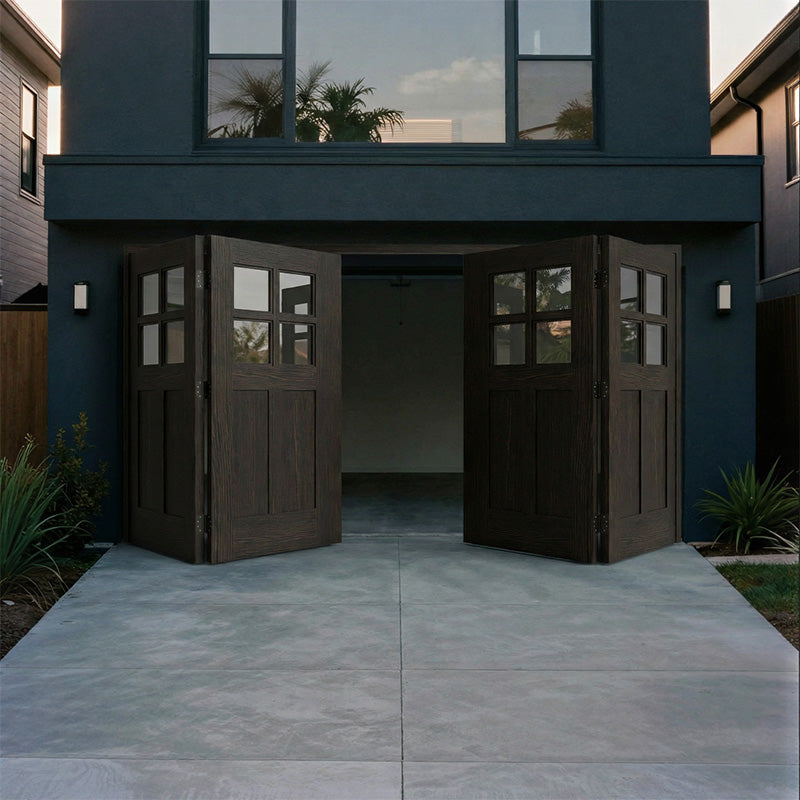
Bifolding garage doors — also called bi-fold garage doors or folding garage doors — operate by folding two separate door “leafs” vertically along a track. They’re just like the folding closet doors you’re likely familiar with, just scaled up and optimized for a garage.
Until recently, bifold doors were largely limited to commercial and industrial settings, or to custom architectural projects with large budgets. RealCraft is changing that by bringing solid wood bifold garage doors to the direct-to-consumer market for the first time — making this distinctive, functional style accessible to everyday homeowners.
Benefits of Bifold Garage Doors
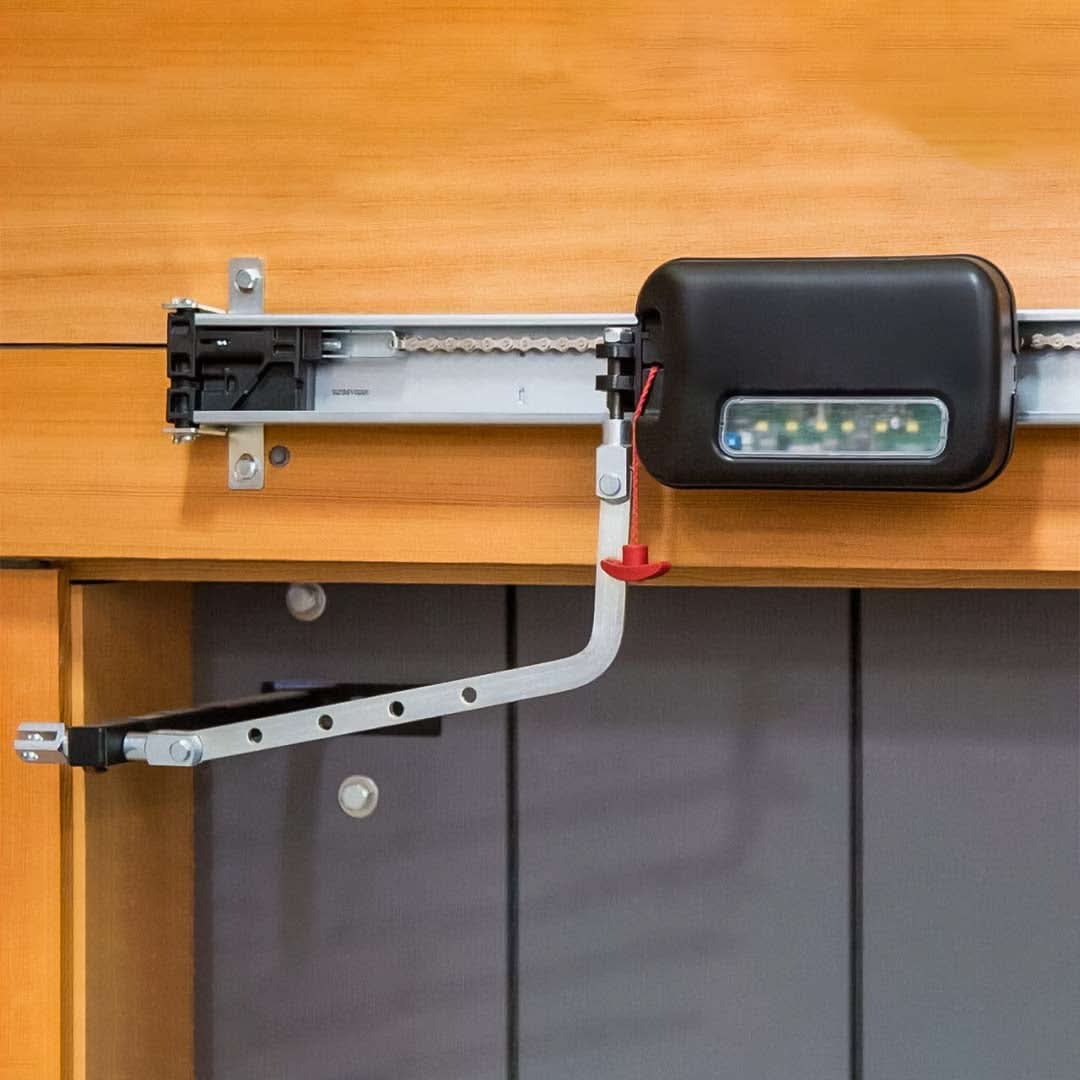
- Minimal overhead clearance required.Unlike roll-up doors, bifold doors don't need the overhead track that runs along your entire garage ceiling. This is a major advantage in garages with low ceilings, exposed beams, or ceilings used for storage or workshop lighting.
- No swing-out clearance needed. Unlike carriage doors, bifold doors don't open fully outward into the driveway. They're ideal for homes with less clearance around the garage.
- Stunning visual impact. A set of bifold wood garage doors is rare and therefore architecturally distinctive. The folding motion itself is elegant, and a solid wood door in this configuration creates a gorgeous first impression.
- Natural light and ventilation. Bifold garage door designs can incorporate glass panels or can be left partially open, allowing natural light and airflow into the garage — something almost impossible with a standard roll-up.
- Solid wood construction. Custom bifold garage doors from RealCraft are built from real, solid wood. That means genuine warmth, texture, and grain that ages beautifully.
- Customization. Because our bifold doors are custom-built to order, they can be tailored to virtually any size, wood species, panel design, or glazing option.
Limitations of Bifold Garage Doors
- Higher initial cost. Like carriage doors, custom solid wood bifold doors are a premium product. They represent a meaningful investment, though one that holds up over time.
- Relatively uncommon. Because solid wood bifold garage doors are rarer, fewer contractors have experience installing them. Working with a builder who provides guidance and support, like RealCraft, is important.
- Wood maintenance.As with any exterior wood product, bifold doors require periodic refinishing to maintain their appearance and protect against the elements.
- Insulation limitations. Bifolding doors come with weatherstripping around the door frame, but they still don’t offer the same insulation power as carriage doors. So they’re best suited to actual garages. They won’t work for garages that have been adapted to ADUs, workshops, or are otherwise meant to be climate-controlled.
What Are Roll-Up (Sectional) Garage Doors?

The roll-up, or sectional, garage door is by far the most common type in North America. These doors are composed of horizontal panels connected by hinges. When opened, they travel along a curved overhead track and lie parallel to the garage ceiling.
Benefits of Roll-Up Garage Doors
- Affordability. Roll-up doors are the most budget-friendly option. This is thanks to mass production, which has significantly driven down costs.
- Wide availability and easy installation. Because they are so common, roll-up doors are easy to source, and most contractors can install and service them.
- Automation compatibility. The standard overhead track system is fully compatible with virtually all automatic garage door openers on the market.
- Low driveway clearance needed. Roll-up doors don't swing out, so they work well in driveways with very limited space.
Limitations of Roll-Up Garage Doors
- You need significant overhead clearance.The track and spring system typically requires 12–15 inches of headroom above the door opening. In garages with low ceilings or overhead storage, this can be a real constraint.
- Aesthetically generic. Most steel roll-up doors — even those with "carriage" overlays stamped into the panels — lack the warmth and character of genuine wood. They can cheapen the look of an otherwise beautiful home.
- Not genuinely customizable.While roll-up doors come in many styles and colors, true customization, like unique panel designs or architectural detailing, is not available in the roll-up format. You can always tell when it’s a roll-up door, no matter how many fake strap hinges go on it.
- Material limitations.The vast majority of roll-up doors are made from steel, aluminum, fiberglass, or composite. Even "wood look" options are imitations. So if authentic and natural materials matter to you, roll-up is not the right choice.
Bifold vs. Carriage vs. Roll-Up: Quick Comparison
| Bifold | Carriage | Rollup | |
| Needs driveway clearance | Very little | Yes | No |
| Overhead clearance needed | Very little | Very little | Yes, ample overhead space needed |
| Available in solid wood | Yes | Yes | No |
| Visual impact | Very high | Very high | Minimal |
| Customization | High level of customization | Very high level of customization | Low level of customization |
| Price range | $$$ | $$$ | $ |
| Natural light or ventilation | Yes | Yes | No |
So, Which Garage Door Type Is Right for You?
- Choose a roll-up door if: your main constraint is your budget or your garage has low ceilings. These are also a fine choice if the aesthetics of your garage just aren’t that important to you.
- Choose a carriage door if: you love a classic look and you have the driveway clearance to accommodate outswinging doors. Carriage doors are ideal for homes with traditional or unique, high-end architectural features.
- Choose a bifold wood garage door if: you want the warmth and beauty of real wood and would prefer not to sacrifice driveway space for outswing clearance. Bifolding doors are also a great option for you if simply want a garage door that’s one-of-a-kind. With RealCraft bringing custom solid wood bifold doors to market for the first time, it's now a realistic option for homeowners who care about craftsmanship.





Leave a comment (all fields required)